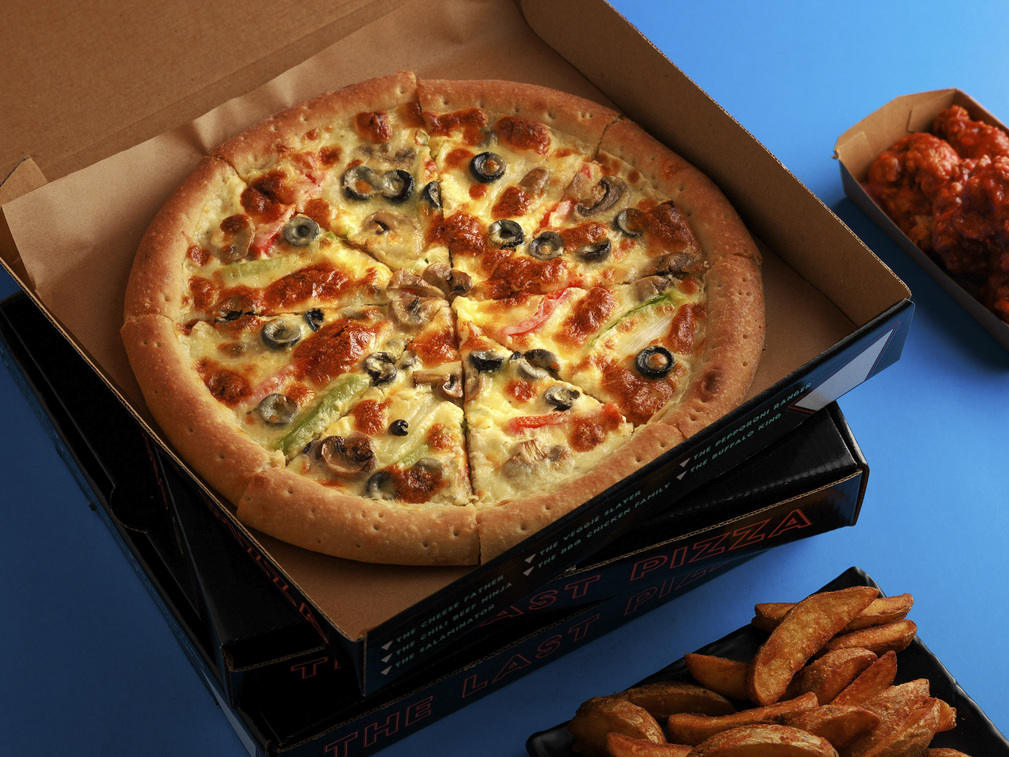
The Art of Food Photography
1. Lighting is Key
Lighting is one of the most important elements in food photography. Natural light, in particular, is your best friend. It brings out the true colors of the food and creates a soft, flattering effect. Try shooting near a window or outside on overcast days for diffused light. Avoid harsh direct sunlight, as it can create unwanted shadows and highlights.
If natural light isn’t an option, invest in softboxes or LED panels to create a similar effect. Remember, lighting sets the mood for your shot—whether you want a warm, cozy vibe or a clean, modern look.
2. Composition: Framing Your Food
A beautifully composed shot can turn any dish into an Instagram-worthy masterpiece. Start by focusing on the most interesting or photogenic part of the dish. Is it the texture of a crispy crust, the vibrant colors of fresh vegetables, or the layers of a decadent dessert?
Use the rule of thirds to place your subject off-center, making the composition feel balanced and dynamic. Experiment with flat lays, 45-degree angles, and close-up shots to find the perspective that best showcases your food.
3. Background and Props
The background and props you choose should complement, not overpower, the dish. Simple, neutral backgrounds like wooden tables, clean countertops, or fabric tablecloths help the food shine without distraction. Play with textures to add depth—think rustic plates, textured napkins, or vintage silverware.
Props like fresh herbs, spices, or ingredients used in the dish can add a touch of authenticity and create a story. But remember, less is more. Don’t clutter the shot with too many elements.
4. The Importance of Color
Color plays a crucial role in food photography—it can evoke emotions and stimulate appetites. Vibrant colors like reds, yellows, and greens naturally catch the eye, while muted tones can convey elegance or sophistication.
To enhance the colors of the food, consider the overall color palette of the shot. Try using contrasting or complementary colors between the food, the plate, and the background to create visual interest.
5. Focus on Details
Sometimes, the beauty of food lies in the details. Capture the texture of melting chocolate, the steam rising from a hot bowl of soup, or the sparkle of fresh herbs sprinkled over a dish. These close-up shots add intimacy and highlight the craftsmanship behind the food.
A macro lens or even a smartphone with a good camera can help you capture these tiny details with stunning clarity.
6. Post-Processing: Enhancing Your Images
Post-processing is an essential part of modern food photography. Editing can enhance colors, adjust the exposure, or remove distractions. But be careful not to over-edit—food should look fresh and inviting, not artificial.
Programs like Adobe Lightroom or Snapseed (for mobile editing) are excellent tools for adjusting brightness, contrast, sharpness, and color balance. Crop your image to remove unnecessary elements and focus on the food.
7. Creating a Story
The most powerful food photos don’t just show a dish—they tell a story. Think about the context: Is it a hearty winter stew, served in a cozy kitchen, or a refreshing summer salad photographed outdoors with a picnic vibe? Setting the scene can add emotion and make the viewer feel connected to the food.
Conclusion
Food photography is more than just taking a picture of what’s on your plate—it’s about capturing the soul of the meal and presenting it in a way that stimulates the senses. By understanding lighting, composition, color, and details, you can turn every dish into a work of art. Whether you’re photographing for a blog, a cookbook, or simply sharing your love for food on social media, remember that the best shots are the ones that make your audience feel the flavor.
So grab your camera, experiment, and start turning your meals into masterpieces!
No Comments